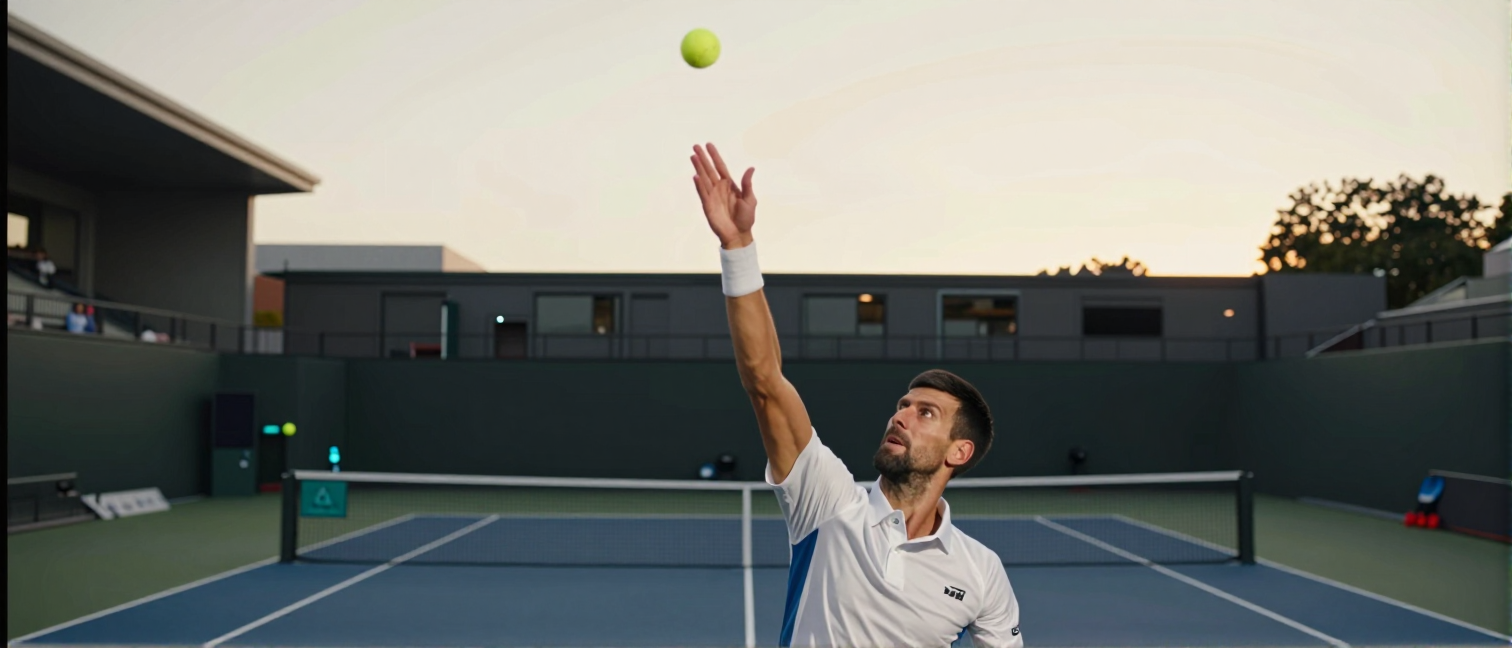
Novak Djokovic ignited a scene on Centre Court on 6 July 2026 when he was met with a chorus of boos during his Wimbledon quarter‑final against Felix Auger‑Aliassime, then launched a furious tirade at the umpire over a disputed call.
What sparked the boos?
Mid‑match, the Serbian world‑number‑one challenged a line decision that went against him on a crucial break point in the second set. The crowd, already vocal, responded with a sustained booing that echoed through the stadium. Djokovic’s body language grew tense; he gestured toward the umpire, demanding a review that the tournament’s technology did not grant.
How did Djokovic react?
The reaction was immediate. Djokovic raised his hand, shouted for the umpire’s attention, and then paced the baseline, visibly upset. He accused the official of “favoring the opponent” and called the call “unfair.” The exchange lasted several minutes, during which the audience’s boos grew louder, turning the moment into a spectacle beyond the usual on‑court drama.
Why does this matter for Novak Djokovic?
The incident adds another chapter to Djokovic’s already turbulent relationship with Wimbledon crowds. Earlier in his career he faced similar hostility, yet he has also enjoyed record‑breaking success on the grass. A public dispute with officials can affect his focus, especially in a Grand Slam where mental composure often decides the outcome. Moreover, the episode may influence how tournament officials handle player‑umpire interactions in future matches.
What could happen next?
The match continued after the outburst, but the tension lingered. If Djokovic advances, he will need to manage both the physical challenge from Auger‑Aliassime and the psychological pressure of a hostile audience. Should he fall short, the boos will be remembered as a defining moment of this Wimbledon edition. Officials have hinted at reviewing the incident, but no formal penalty has been announced yet.
How did the crowd react overall?
Spectators at Centre Court are known for their discerning standards. While some applauded Auger‑Aliassime’s play, many expressed displeasure at what they perceived as Djokovic’s unsportsmanlike conduct. Social media lit up with clips of the boos, sparking debate about player respect and fan entitlement at Grand Slam events.
What does this mean for the tournament?
Wimbledon officials face a balancing act: preserving the integrity of the sport while maintaining the historic atmosphere that makes Centre Court unique. The incident may prompt tighter enforcement of conduct rules, potentially affecting how future matches are policed.
The episode underscores how quickly a high‑stakes match can shift from pure tennis to a broader narrative about personality, pressure, and public perception. For Djokovic, the challenge now is to channel that fury into performance, or risk letting the boos define his Wimbledon legacy.